Fluidized Bed Concentrators
DEC.FBC™
DEC.FBC™ • fluidized bed concentrators
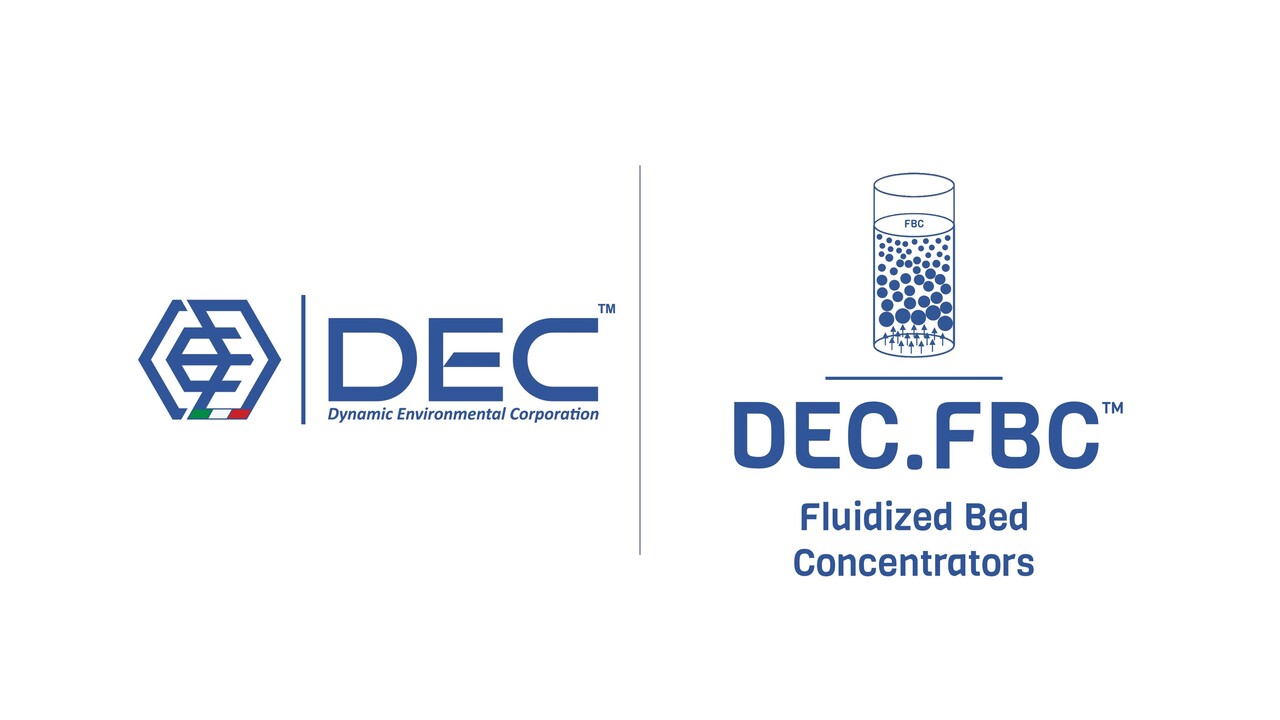
DEC.FBC™ (fluidized bed concentrator) is an industrial process for the treatment of exhaust air. The system uses a bed of adsorbent beads to adsorb volatile organic compounds (VOCs) from the exhaust gas. Differently from the static-bed (DEC.SBC™) or rotor concentrators (DEC.RBC™), the FBC system forces the VOC-laden air (SLA) through several perforated steel trays, increasing the velocity of the air and allowing the sub-millimeter adsorbent beads to fluidize, or behave as if suspended in a liquid. This increases the surface area of the adsorbent-gas interaction, making it more effective at capturing VOCs.
The fluidized bed concentrator consists of five primary components:
Ready to Start Your Project?
Contact Us
FAQs • Frequently Asked Questions
DEC.FBC™ • fluidized bed concentrators | activated carbon | zeolite | molecular sieves | polymer | DEC • Dynamic Environmental Corporation
What is a DEC.FBC™ fluidized bed concentrator?
DEC.FBC™ is an industrial process for treating exhaust air that uses a bed of adsorbent beads to adsorb volatile organic compounds (VOCs) from the exhaust gas. It forces VOC-laden air through several perforated steel trays, increasing air velocity so the sub-millimeter adsorbent beads fluidize, or behave as if suspended in a liquid, which increases the surface area of the adsorbent-gas interaction and makes VOC capture more effective.
How is DEC.FBC™ different from DEC.SBC™ static-bed and DEC.RBC™ rotor concentrators?
Unlike the static-bed (DEC.SBC™) or rotor concentrators (DEC.RBC™), the FBC system fluidizes the adsorbent beads by forcing air through perforated trays rather than holding the adsorbent in a fixed bed or a rotating wheel, giving it a larger effective adsorbent-gas contact surface for large air volumes with low solvent concentration.
What are the main components of a DEC.FBC™ system?
A DEC.FBC™ system consists of five primary components: an adsorption tower where VOCs are adsorbed onto the fluidized beads, a desorption tower where the beads are regenerated and VOCs are desorbed, a VOC treatment system module where the desorbed VOCs are recovered or oxidized, an adsorbent transport system that moves the beads between the two towers, and process fans that move the exhaust air through the system.
Is DEC.FBC™ an alternative to LEL recirculation systems (DEC.LEL™)?
Not usually. DEC.FBC™ is designed for large volumes of air with a small concentration of solvents, typically 0.1÷0.5 g/Nm3, which is a different duty than LEL recirculation systems (DEC.LEL™) are typically applied to.
How do I get a quote for a DEC.FBC™ system?
Contact DEC's Technical Sales & Applications engineering team through the DEC.group contact page to discuss your exhaust air volume, solvent concentration, and VOC & HAP emission control requirements so they can size and quote a DEC.FBC™ system for your process.